
In an innovative approach to addressing healthcare disparities, international humanitarian organization Care For All (CFA) has launched a groundbreaking partnership with a network of local churches to dramatically expand healthcare access in underserved communities. The initiative, officially announced last month, already shows promising results in breaking down barriers to essential medical services for thousands of vulnerable individuals.
Comprehensive Services, Close to Home
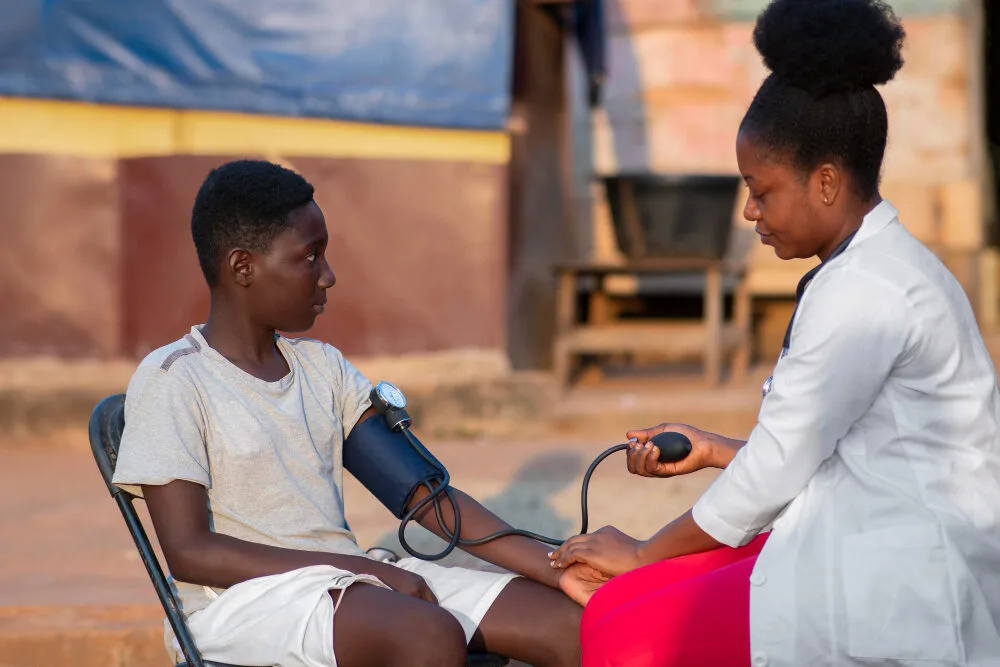
As part of its upcoming initiative to expand healthcare access, Care For All (CFA) is building a model of mobile and church-based clinics designed to meet a wide spectrum of health needs—right where people already gather and feel safe: their local churches.
Though the clinics will often be temporary or semi-permanent setups, they aim to deliver a surprisingly comprehensive array of services. These will include basic primary care, maternal and child health, immunizations, chronic disease screenings and management, as well as mental health support—a critical but often overlooked area in underserved communities. In regions where infrastructure is limited, churches will serve as trusted access points, and CFA will work to ensure referrals and transportation to regional health facilities for more complex cases.
“Our goal is not only to bring care closer,” says CFA’s leadership, “but to make it accessible, dignified, and sustainable—through partnerships rooted in compassion and community trust.”
In addition to clinical services, CFA plans to offer health education workshops covering nutrition, prenatal care, hygiene, and medication adherence. The initiative will also provide guidance on navigating available government and nonprofit health resources, helping families register for national health schemes where available.
As the program takes shape, CFA envisions a ripple effect: better health outcomes, empowered local leaders, and stronger communities of faith working together to heal both body and soul.
Technology as an Equalizer
In its vision to close the healthcare gap in underserved regions, Care For All (CFA) is committed to leveraging technology as a powerful tool for equity and access. Through its upcoming partnership with local churches, CFA plans to equip each clinic site with secure telehealth capabilities, enabling patients in remote or rural communities to receive real-time consultations from specialists located far beyond their geographic reach.
“Imagine a patient in a rural village being able to speak directly with a cardiologist or neurologist based in a major city—or even in another country,” explains a CFA program designer. “That kind of access can be life-saving.”
Beyond virtual consultations, CFA’s strategy includes implementing a centralized electronic health records (EHR) system across all church-partnered clinics. This means that no matter where a patient is seen—whether in a small village in Uganda or a coastal town in Ghana—their medical records can follow them, ensuring continuity of care. For communities facing high mobility due to economic or environmental instability, this unified approach will allow for accurate, coordinated, and compassionate care.
Through smart integration of faith-based community outreach and modern technology, Care For All’s model aims to bring dignified, dependable healthcare to those who’ve long been left behind.
Emerging Impact
Though still in the planning phase, Care For All’s global church partnership initiative is already generating hope and anticipation in communities long overlooked by traditional healthcare systems. The model envisions local churches serving as trusted hubs for essential care—places where people can access help before a crisis forces them into overcrowded emergency rooms or leaves them without care entirely.
Based on successful pilots in similar contexts, CFA anticipates significant impact: reduced emergency visits for non-urgent conditions, earlier diagnoses of chronic illnesses, and improved health outcomes for individuals previously without access.
What sets this initiative apart is its targeted focus on those historically left behind. CFA’s model aims to serve the communities most affected by systemic neglect—rural families, racial and ethnic minorities, and those living well below the poverty line.
“Our goal isn’t just to offer services—it’s to restore dignity,” explains a CFA program director. “We’re preparing to bring care to the mother who has never had her child’s fever properly treated, to the elderly man who’s never had his blood pressure checked, to the young woman silently battling depression with no one to turn to.”
As this initiative prepares to launch in key African regions and eventually scale globally, Care For All is committed to measuring both the outcomes and the stories behind them—because true impact goes beyo.
Challenges and Adaptations
Care For All’s Church-Integrated Healthcare Initiative
Although still in the planning phase, Care For All’s ambitious initiative to expand healthcare access through partnerships with local churches anticipates a complex landscape of both opportunity and challenge.
Legal and Ethical Preparedness
To ensure the initiative’s sustainability, CFA is proactively addressing anticipated concerns around medical liability by designing clear legal frameworks and securing appropriate insurance coverage. These foundational steps aim to protect both faith-based partners and healthcare workers in regions with varying regulatory standards.
Respectful Dialogue on Faith and Medicine
Understanding that churches are not just physical spaces but sacred communities with deeply held beliefs, CFA has prioritized open and respectful dialogue from the outset.
“We know that conversations around services like reproductive health or mental health support can be sensitive,” explains one of CFA’s advisory pastors. “That’s why CFA is committed to honoring church values while maintaining a standard of evidence-based, compassionate care. The goal is collaboration, not compromise.”
By engaging in early conversations about what services will be offered and how they will align with the churches’ missions, CFA aims to foster trust and shared purpose.
Practical Implementation Hurdles
In regions where the initiative will launch, logistical challenges such as staffing shortages and language diversity are anticipated. CFA is building a scalable volunteer recruitment model, actively engaging local medical professionals, and developing a network of multilingual translators and cultural navigators to bridge communication gaps.
By thoughtfully navigating these early concerns, Care For All is laying the groundwork for a healthcare model that is community-rooted, faith-honoring, and globally responsive.
Sustainable Funding Model
At Care For All, sustainability isn’t an afterthought—it’s embedded in the very foundation of our global healthcare initiative. Together for Change envisions a long-term, community-centered approach to expanding healthcare access in underserved regions across Africa and beyond. Although implementation is still in the planning phase, CFA is proactively designing a funding model that will withstand the test of time and shifting donor priorities.
Central to this model is the active participation of local churches. These congregations, often the heart of their communities, will provide critical in-kind resources such as meeting spaces, utilities, and volunteer support. Their involvement reduces operating costs and fosters deep local trust and shared responsibility.
CFA’s plan also includes a culturally sensitive, sliding-scale fee system to ensure that financial hardship never becomes a barrier to care. Where local insurance systems exist, we will explore integration for partial reimbursements. In parallel, the initiative will actively seek sponsorship from global donors, diaspora partners, and mission-aligned businesses through structured giving campaigns.
One key innovation in development is the “Congregational Health Champions” initiative. This program will invite individuals and organizations to sponsor pop-up clinics or mobile medical outreach in specific regions, creating a personal connection between donors and the impact of their support.
“As we lay the groundwork, our goal is to build a model that thrives well beyond launch day,” says Care For All’s Director of Strategy. “By aligning mission-driven giving with local church infrastructure and scalable outreach, we’re building not just clinics—but a compassionate healthcare ecosystem that can endure.”
A Holistic Vision of Health
What sets Care For All’s initiative apart is its deep understanding that healthcare is not merely a service to be delivered but a relationship to be nurtured. By integrating medical care within trusted local church communities, the program seeks to heal the whole person—addressing physical needs alongside social, emotional, and spiritual wellbeing.
“In my experience working in underserved regions, I’ve seen firsthand how social factors—like loneliness, economic hardship, and lack of support—can worsen health outcomes,” shares Dr. Amina, a Care For All volunteer physician. “What Care For All is building in these church clinics is a community-centered model where medical treatment is offered within a network of care and belonging. This is transformative for patients and providers alike.”
For Pastor Samuel, the partnership is a revival of the church’s ancient role as a sanctuary for healing and hope. “Our churches have always been places where people find comfort, restoration, and strength. By collaborating with Care For All, we are reclaiming that sacred mission—honoring both the gifts of modern medicine and the power of faith-based care. We are not replacing health systems; rather, we are bridging gaps to reach those the formal systems often miss.”
As light filters through the stained glass windows onto examination tables set up in humble church halls, this image symbolizes an innovative yet profoundly simple solution to healthcare challenges—one that does not seek to overhaul existing systems but to unite and empower them through partnership, compassion, and shared purpose.