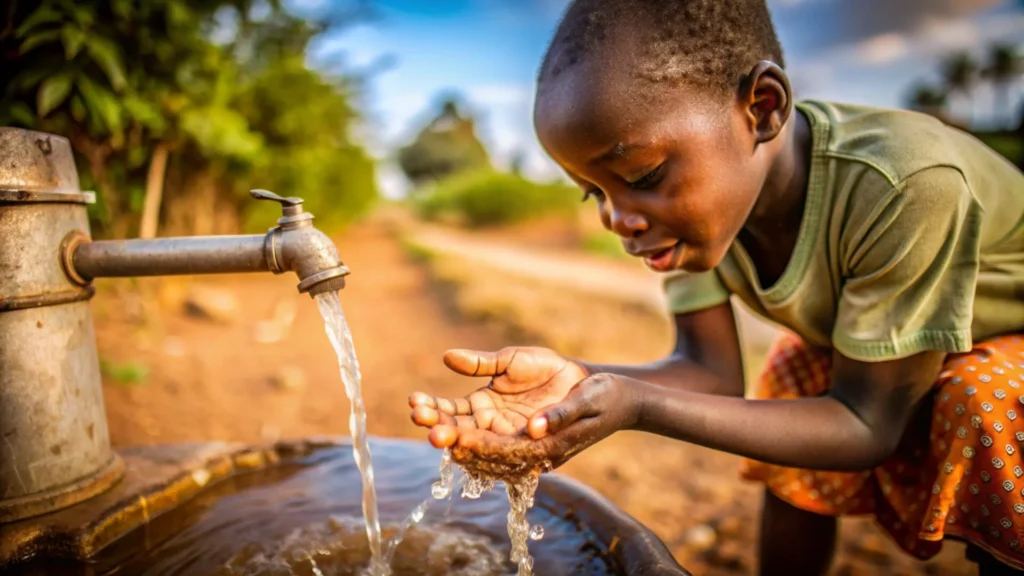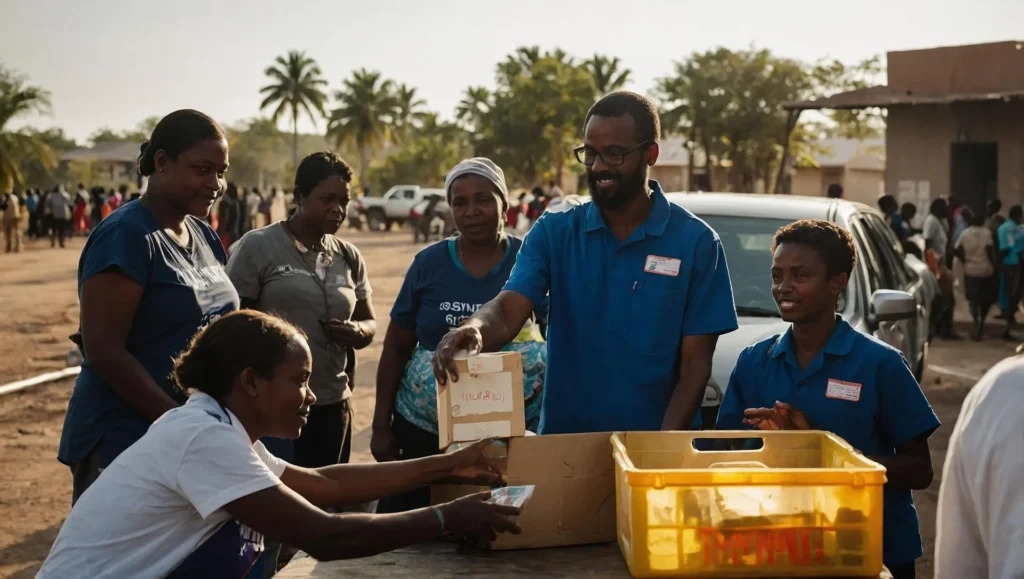

In countless remote villages across Africa and underserved regions around the world, families still walk for miles each day to fetch water—often from polluted sources that pose serious health risks. Care For All envisions a different future. Through its upcoming “Life-Changing Waters” initiative, the organization is preparing to install clean water wells that will serve as lifelines to communities in desperate need. While the first well has not yet been constructed, the blueprint is clear: to bring safe, accessible water to hundreds of families, restoring dignity, improving health, and unlocking opportunities for education and economic growth.
A Community on the Brink of Transformation
“Each day, we walk for hours just to find water—and often, it’s not even safe,” shares Ama K., a mother of five in rural West Africa. “Our children miss school, our crops wither, and we constantly battle illness. But we keep hoping for a better tomorrow.”
That hope is what drives Life-Changing Waters, an ambitious initiative by Care For All to bring clean, safe, and sustainable water access to underserved communities across Africa and beyond. The program’s first phase aims to drill deep wells—tapping into hidden aquifers far beneath the earth’s surface—to deliver life-giving water to over 500 families in remote areas that have long struggled with scarcity.
Unlike seasonal or shallow water sources that dry up or become contaminated, these wells are designed to provide over 2,000 gallons of clean water daily, ensuring year-round access for drinking, cooking, farming, and sanitation. The vision is not only to quench thirst, but to unlock opportunity—especially for women and children who bear the daily burden of water collection.
Though construction has yet to begin, partnerships are forming, engineering plans are underway, and the ground is being prepared—literally and spiritually—for a new future. By combining local engagement, global support, and faith-based compassion, Care For All is laying the foundation for transformation that flows far beyond water alone.
With your help, this vision can become a reality. Together, we can bring not just water—but hope, health, and dignity—to those who need it most.
Health Implications: A Future of Wellness Within Reach
Although the well has not yet been built, projections based on similar initiatives suggest the health impact for underserved regions in Africa and around the world could be profound. Once completed, the well is expected to dramatically reduce waterborne illnesses—especially among children under five, who are disproportionately affected by diseases like diarrhea, cholera, and typhoid.
Currently, families in the target communities depend on surface water sources that are often polluted with agricultural runoff, human waste, and harmful bacteria. In the dry season, these limited sources frequently run dry, forcing residents—often women and children—to walk long distances or purchase water at unaffordable prices from transient vendors.
By providing a reliable source of clean, safe drinking water year-round, Life-Changing Waters aims to break this cycle of vulnerability. Health clinics anticipate fewer emergency cases of dehydration and gastrointestinal infections, and families will be better equipped to focus on education, work, and community life without the constant burden of water insecurity.
Economic Ripple Effects
While the primary goal of Life-Changing Waters is to provide safe, reliable drinking water to underserved communities across Africa and the world, the long-term economic impact is equally profound.
In regions where women and children spend hours each day fetching water, a local well can unlock newfound time and opportunity. Life-Changing Waters envisions a future where that time is redirected toward education, entrepreneurship, and community development.
“Once our well is completed,” shares community member-in-waiting Adjoa Mensah, “I hope to start a small soap-making business using water from the well. It’s something I’ve dreamed about, but water scarcity always stood in the way.”
Local schools are also expected to benefit, with increased attendance—especially among girls—who will no longer need to miss class to fetch water for their households. These ripple effects, though indirect, are powerful catalysts for lasting change.
By investing in clean water infrastructure, Life-Changing Waters aims not only to improve health but also to spark economic resilience and empower communities for generations to come.
Technical Innovation Meets Sustainability
What makes the Life-Changing Waters initiative truly stand out is its commitment to sustainable, community-led solutions. The planned well system will be powered by solar energy, removing reliance on costly fuel or inconsistent electricity. This eco-friendly approach not only reduces environmental impact but also ensures long-term functionality in even the most remote areas.
To support the longevity of the system, local residents will be trained in routine maintenance and empowered to form a water committee responsible for daily operations.
“We’ve designed this infrastructure to last at least 25 years with basic upkeep,” explains Emmanuel Osei, a consulting engineer for the project. “Our goal is to ensure that the community itself is equipped to manage and sustain this resource for generations.”
As part of the sustainability model, a modest, community-agreed fee—just a few cents per household—will be collected to fund future repairs and upkeep. The system will also include a smart water management design that minimizes waste and guarantees fair access to clean water, even during times of high demand.
Life-Changing Waters isn’t just building wells—it’s building resilience.
Looking Forward
Though still in the planning stages, Life-Changing Waters is more than just a vision—it is a commitment to long-term impact. Designed to serve underserved communities in Africa and beyond, this initiative reflects the urgent need for sustainable solutions to the global water crisis.
“Clean water is not a luxury—it is a human right,” says Dr. Grace Mensah, one of the project’s advisors. “This effort represents a model we hope to replicate in rural villages across multiple countries.”
The planned pilot project aims to reach up to 500 families with a solar-powered, deep-borehole well—engineered for resilience, sustainability, and community ownership. Local participation is at the heart of the model, with future beneficiaries involved from the earliest stages of planning.
Ultimately, Life-Changing Waters is not just about drilling wells. It’s about empowering communities, creating ripple effects in health, education, and economic opportunity, and setting a precedent for what’s possible when people come together in compassion and purpose. Plans are in motion to launch in the first target region by next year, with a roadmap to expand to five additional locations in the following phases.
A Fundamental Human Right
Access to clean water is not a luxury—it’s a basic human right. Yet nearly 2 billion people around the world still live without safely managed drinking water, according to the United Nations. Life-Changing Waters is committed to changing that.
Our mission is to bring sustainable, clean water solutions to underserved regions in Africa and beyond. While our first well in Ghana is still in the planning stages, our vision is clear: to restore dignity, health, and opportunity to communities long overlooked.
For villages like Adaklu Kordiabe, the promise of a nearby well represents more than access—it means hope. It means mothers no longer walking miles in dangerous conditions just to find water. It means children attending school instead of spending their days helping with water collection. It means communities rising, together.
“Water is life,” says a local elder. “When the well is built, our story will change.”
We envision a future where scenes of struggle are replaced with scenes of joy—where women gather to collect water without fear, where children play nearby, and where generations thrive because of one essential gift: clean water.