Clean Water and Electrification Project
Vision
To transform underserved communities—especially those in remote, neglected, and vulnerable regions—through access to clean water and sustainable electricity, creating a foundation for health, dignity, education, and spiritual growth in the name of Jesus Christ.
Mission
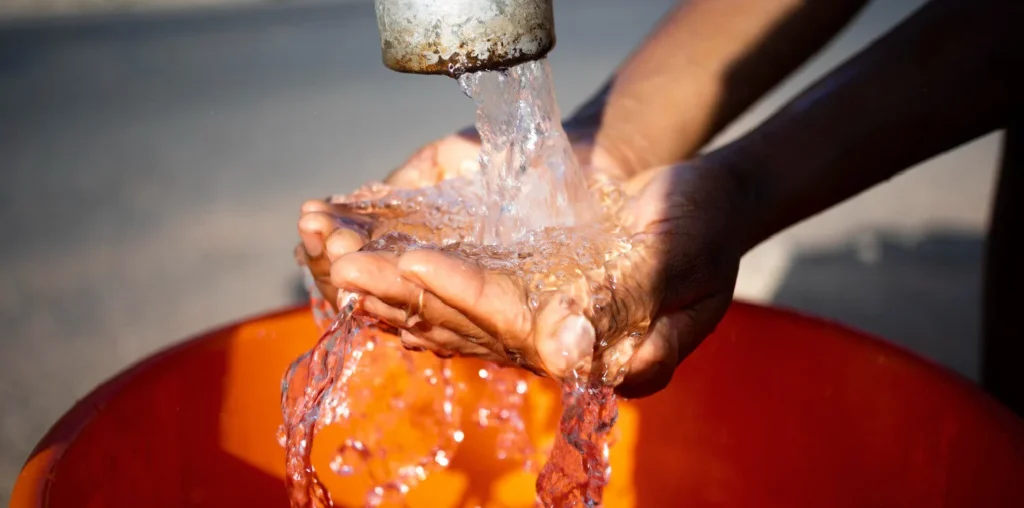
To provide sustainable clean water systems and renewable energy to underserved populations, while equipping communities with the training, tools, and biblical encouragement needed to thrive physically and spiritually.
Needs Assessment & Community Selection
Objective: Identify priority communities with the most urgent water and electricity needs.
Action Steps:
– Partner with local churches, NGOs, and municipalities to assess needs.
– Use surveys, interviews, and site visits to evaluate water contamination, electricity absence, and population impact.
– Select communities based on vulnerability, size, and readiness to participate.
Project Design & Planning
Objective: Develop sustainable, context-specific plans for water and power.
Clean Water Solutions:
– Boreholes with solar-powered pumps
– Rainwater harvesting systems
– Water purification stations (e.g., reverse osmosis, UV)
– Community water kiosks with monitoring
Electrification Solutions:
– Solar microgrids for schools, clinics, and homes
– Standalone solar kits for households
– Battery backup systems for key facilities
Key Considerations:
– Climate and geography
– Local maintenance capacity
– Long-term affordability
– Scalability for expansion
Partnership and Funding Development
Objective: Build strategic partnerships and secure diverse funding sources.
Action Steps:
– Collaborate with Christian engineering organizations, solar tech companies, and water-focused nonprofits.
– Apply for grants from faith-based donors, foundations (e.g., World Vision, Samaritan’s Purse), and government agencies.
– Launch a dedicated fundraising campaign with stories, impact visuals, and giving tiers.
– Encourage church and corporate sponsorships for specific villages.
Implementation & Construction
Objective: Install infrastructure with transparency and community involvement.
Action Steps:
– Contract vetted local contractors and train community workers.
– Oversee construction timelines, budget adherence, and quality control.
– Include a spiritual inauguration event—dedicating the project to God with prayer and outreach.
Community Training & Empowerment
Objective: Ensure long-term sustainability and spiritual transformation.
Training Topics:
– Water sanitation and hygiene (WASH)
– Basic solar and pump maintenance
– Household energy safety
– Stewardship of God’s creation
Spiritual Integration:
– Bible studies tied to living water and light metaphors (e.g., John 4:14, Matthew 5:14)
– Discipleship programs led by local pastors or missionaries
– Testimony sharing and Gospel outreach at project sites
Monitoring, Evaluation, and Scaling
Objective: Measure impact, ensure system functionality, and expand reach.
Key Metrics:
– Number of people served with clean water/electricity
– Reduction in waterborne illnesses
– Student academic performance (electricity-linked)
– Faith engagement increase post-project
Action Steps:
– Create local water/electricity management committees
– Use mobile apps or SMS reporting for issue tracking
– Conduct annual audits and impact stories
Communication & Advocacy
Objective: Raise awareness and inspire action.
Action Steps:
– Document success stories via video, blogs, and testimony interviews
– Host donor events and mission updates
– Develop school/church sponsorship opportunities for specific communities
– Promote the campaign as a modern-day expression of Jesus’ love
Get Involved
Provide a child with education for a year, help us develop educational infrastructure and create lasting educational impact